All Categories
Featured
Table of Contents
As the international economy continues to develop, global trade is entering a new period specified by digital transformation, sustainability, and geopolitical adjustment. Organizations, policymakers, and financiers are all adapting to altering consumer habits, emerging technologies, and ecological pressures that are improving supply chains worldwide. By 2026, trade will no longer be driven exclusively by cost effectiveness or market growth however by resilience, development, and ethical practices.
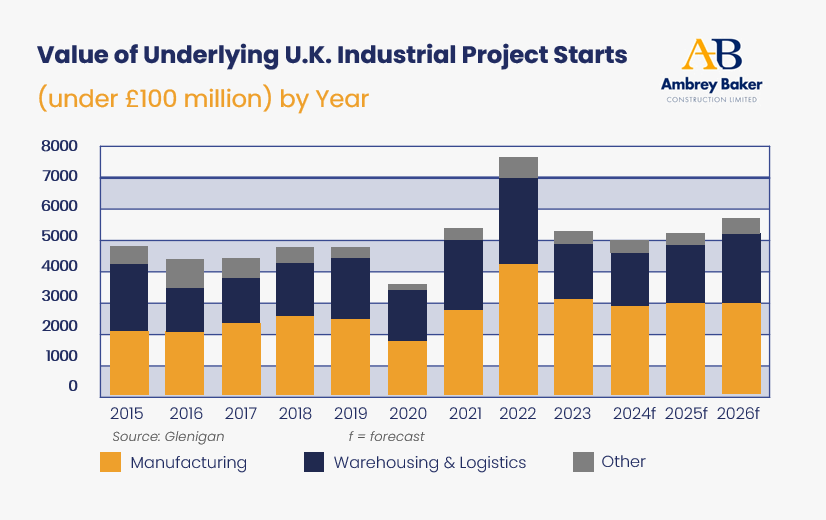
One of the most substantial shifts in worldwide trade is the move towards regionalized supply chains. Rather of relying greatly on far-off manufacturing hubs, companies are building networks better to key markets to improve flexibility and minimize risk.
European business are increasing production in Eastern Europe and North Africa to shorten supply lines. In Asia, nations like Vietnam, India, and Indonesia are becoming alternative production locations, lowering reliance on China while keeping access to competent labor and competitive expenses. This pattern towards localization not just enhances supply chain durability but also supports local trade contracts, allowing companies to react more efficiently to shifting need and regulative changes.
Synthetic intelligence (AI), blockchain, and huge information analytics are becoming central tools for improving trade performance and decision-making. AI-driven forecasting permits business to anticipate need variations, handle inventory, and optimize logistics, while blockchain enhances transparency and security in international deals. E-commerce platforms are likewise accelerating worldwide trade by giving little and medium-sized enterprises (SMEs) access to worldwide markets.
Optimizing the 2026 Talent Strategy
By 2026, digital trade is anticipated to represent an even larger share of worldwide commerce, enabling organizations to reach consumers directly without depending on standard intermediaries. As digital trade grows, so does the need for balanced global policies and stronger cybersecurity frameworks. Countries are working to develop typical standards for data sharing and digital taxation to guarantee fair and safe and secure global transactions.
With climate modification driving more stringent environmental policies, business are being held liable for their carbon footprints throughout the supply chain. Federal governments and international organizations are introducing carbon border taxes, green shipping initiatives, and ecological compliance requirements that impact how products are produced and transferred. The idea of "green trade" stresses using renewable energy, sustainable materials, and low-emission transport systems in manufacturing and logistics.
Analyzing ESG Finance Mandates for UK FirmsRenewable resource investments, circular economy practices, and sustainable product packaging innovations are helping markets transition to eco-friendly trade operations. These efforts are not only decreasing environmental impact however likewise improving brand credibility and client commitment in a significantly mindful marketplace. International sell 2026 is being formed by a shifting geopolitical landscape.
Business are learning to navigate these complexities by embracing multi-market strategies, making sure compliance with diverse guidelines, and using technology to boost exposure throughout their international operations. Financial innovation is playing a crucial role in modernizing trade flows. Standard trade finance designs, typically slowed by documentation and intermediaries, are being changed by digital platforms that simplify deals and improve transparency.
Analyzing ESG Finance Mandates for UK FirmsBlockchain-based wise agreements and digital currencies are streamlining cross-border payments, lowering transaction expenses, and mitigating dangers connected with exchange rate fluctuations. Reserve Bank Digital Currencies (CBDCs) are expected to get wider adoption by 2026, using a secure and effective way to settle global deals without depending exclusively on standard banking systems.
Mastering a 2026 Global Landscape
Consumer choices are also affecting trade patterns. Buyers are becoming more mindful of where products originate from, how they are made, and whether they align with social and ecological values. This shift has actually triggered ethical trade, where openness, reasonable labor practices, and sustainability are important to acquiring choices.
Accreditation programs and traceability technologies are assisting business confirm their supply chains, guaranteeing compliance with worldwide labor and environmental standards. As consumers continue to require credibility and accountability, ethical trade will end up being a defining quality of successful international brand names. The world of global trade is getting in a transformative phase where durability, technology, and sustainability take spotlight.
Business are learning to navigate these intricacies by embracing multi-market strategies, ensuring compliance with diverse guidelines, and utilizing technology to enhance exposure across their international operations. Financial development is playing a crucial role in improving trade circulations. Traditional trade finance models, often slowed by documents and intermediaries, are being changed by digital platforms that streamline deals and enhance transparency.
UK Industry Growth versus International Benchmarks
Blockchain-based clever agreements and digital currencies are streamlining cross-border payments, reducing transaction costs, and mitigating dangers connected with exchange rate variations. Reserve Bank Digital Currencies (CBDCs) are expected to gain wider adoption by 2026, using a protected and effective method to settle worldwide deals without depending solely on conventional banking systems.
Customer preferences are also affecting trade patterns. Buyers are becoming more mindful of where items come from, how they are made, and whether they line up with social and environmental values. This shift has actually triggered ethical trade, where transparency, fair labor practices, and sustainability are essential to buying choices.
Certification programs and traceability technologies are assisting business confirm their supply chains, making sure compliance with worldwide labor and environmental standards. As consumers continue to demand credibility and responsibility, ethical trade will end up being a defining characteristic of effective global brand names. The world of worldwide trade is entering a transformative stage where durability, innovation, and sustainability take spotlight.

Latest Posts
Impactful Corporate Leadership for a 2026 Market
Logistics Reports and UK Industry Growth
Strategic Management Insights for Modern UK Industry